Beyond Housing: Investing in Gujarat's Industrial Boom (Dholera & Sanand)
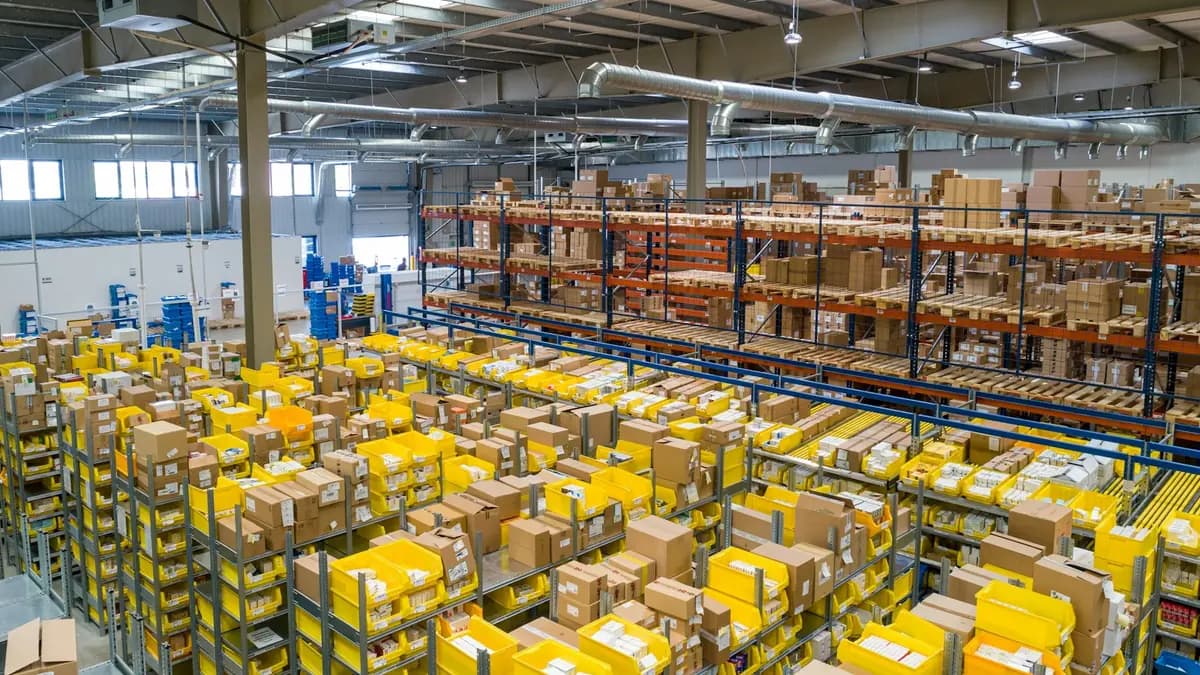
Let's talk about the unsexy side of real estate. Warehouses. Factory sheds. Industrial plots. They don't have marble floors or swimming pools, but they have something better: Rental Yields that beat inflation.
While everyone is fighting over 3BHK flats in Ahmedabad, the smart money in Gujarat is quietly moving towards the industrial corridors. With the semiconductor revolution (Micron, Tata) and the automobile dominance (Tata Motors, Ford, Suzuki), Gujarat is effectively becoming the factory floor of India.
The Dholera SIR: India's Shanghai?
Dholera Special Investment Region (SIR) is a name that has been thrown around for a decade. Is it hype? Or is it finally happening?
The Reality in 2025: It is happening.
Dholera is being built from scratch as a smart industrial city, bigger than Singapore. The infrastructure—roads, water, drainage—is already largely in place in the activation area.
Why Invest in Dholera Land?
- Low Ticket Size: You can still buy land parcels here at a fraction of the cost of Ahmedabad outskirts. It is a volume game.
- Connectivity: The Dholera International Airport is under construction. Once flights start landing, land prices won't stay grounded.
- Strategic Location: It is a key node on the Delhi-Mumbai Industrial Corridor (DMIC).
Caution: Dholera is an ultra-long-term play (10+ years). Do not put your emergency funds here. This is "forget it and get rich" money.
Sanand: The Detroit of India
Sanand is different. It is already established. Tata Motors changed the destiny of this dusty town when they moved the Nano plant here. Today, it's a bustling auto hub.
The Opportunity:
The demand here isn't just for big industrial land. It is for:
1. Industrial Warehousing: Ancillary companies need storage. Grade A warehousing is in short supply.
2. Worker Housing: Thousands of workers need affordable rental accommodation. Building a simple G+3 structure with 1RK units can generate a rental yield of 8-10%, which is unheard of in residential markets.
The Semiconductor Effect
With the new semiconductor plants coming up near Sanand and Dholera, a high-tech ecosystem is forming. These aren't just factories; they require clean rooms, 24/7 power, and specialized logistics. Real estate that caters to these high-spec needs will command a premium.
Commercial vs. Residential: The Numbers Game
Let's look at the math for a typical Gujarat investor:
- Residential Flat in Ahmedabad: Cost ₹1 Cr. Rent ₹25,000/month. Yield = 3%.
- Commercial Office in SG Highway: Cost ₹1 Cr. Rent ₹55,000/month. Yield = 6.5%.
- Industrial Warehouse near Changodar/Sanand: Cost ₹1 Cr. Rent ₹70,000/month. Yield = 8.4%.
The numbers don't lie. Industrial real estate is higher effort (tenant management, compliance) but significantly higher reward.
How to Start?
You don't need to buy a 10-acre plot.
1. REITs (Real Estate Investment Trusts): Look for REITs with a portfolio of logistics parks in Gujarat.
2. Fractional Ownership: Platforms now allow you to own a slice of a Grade A warehouse for as little as ₹25 Lakhs.
3. Land Banking: Buying small plots in emerging corridors like the Ahmedabad-Rajkot highway.
Final Thoughts
Gujarat is in a unique position. It has the policy stability, the power surplus, and the port connectivity (Mundra/Kandla) to dominate manufacturing. As a real estate investor, you can either buy the house the factory manager lives in, or you can buy the land the factory stands on. Personally? I prefer the land.
GIDC Policy 2024-25: What's New?
The Gujarat Industrial Development Corporation (GIDC) is the engine behind the state's manufacturing prowess. The latest policy updates have made it even easier for investors to enter the fray.
Key Policy Highlights
- "Plug and Play" Infrastructure: GIDC is now focusing on ready-to-move industrial sheds. Instead of buying land and waiting 2 years for construction, you can lease a shed and start production in 30 days. This is huge for SMEs.
- Vertical Industrial Estates: To combat land scarcity, GIDC is promoting multi-story industrial buildings. Investing in a floor in a vertical estate (e.g., in Naroda or Kathwada) is cheaper than buying a plot and offers shared amenities like goods lifts and effluent treatment.
- Transfer Fees Rationalization: The transfer fees for GIDC plots (when selling to a new party) have been simplified, increasing liquidity in the industrial real estate market.
Subsidy Schemes: Free Money?
Industrial real estate isn't just about rent; it's about capital subsidies. The "Aatmanirbhar Gujarat Schemes for Assistance to Industries" offers lucrative incentives that directly boost your ROI.
1. Interest Subsidy
For MSMEs, the state government offers an interest subsidy of up to 7% on term loans for 5-7 years. If you take a loan at 10% and get 7% back, your effective cost of capital is just 3%. This use can skyrocket your returns on industrial property.
2. Capital Subsidy
Eligible industries can get a capital subsidy of up to 25% of the loan amount (capped at ₹35 Lakhs). This effectively reduces your land and building cost by a quarter! For larger investments, there are mega-project incentives that include SGST reimbursement.
Investments in specific sectors (like textiles, plastics, pharma) are eligible for capital subsidies ranging from 10% to 25% of the fixed capital investment. As a real estate investor, if you build a custom facility for a pharma tenant, this subsidy can offset a significant chunk of construction costs.
Environmental Clearances: The Hidden Hurdle
This is where amateur investors get burned. You buy a plot, find a tenant, and then realize the zone doesn't allow "Red Category" (polluting) industries.
The Checklist:
1. GPCB Consent: Check the Gujarat Pollution Control Board (GPCB) status of the industrial park. Some zones are strictly "Green/Orange" (low pollution). If your tenant is a chemical factory, they need a "Red" zone.
2. CETP Connectivity: Does the estate have a Common Effluent Treatment Plant (CETP)? If not, your tenant will have to build their own Zero Liquid Discharge (ZLD) plant, which costs crores and might break the deal.
3. NA (Non-Agricultural) Status: Make sure the land has "Industrial NA" permission. Buying "Old Tenure" agricultural land in hopes of converting it later is a gamble that can take years.
Emerging Corridors: Beyond Sanand
While Sanand is the poster child, smart money is moving to newer corridors where entry prices are low.
1. Mandal-Becharaji SIR
Located about 90km from Ahmedabad, this is the hub for Maruti Suzuki and Honda. It is shaping up to be Japan's industrial township in India. Land prices here are 30% of Sanand, offering massive appreciation potential over a 5-7 year horizon.
2. Vadodara-Mumbai Expressway Belt
The new expressway is opening up land banks in areas like Bharuch and Ankleshwar. Warehousing demand here is exploding because it acts as a midpoint between the consumption hubs of Mumbai and Ahmedabad.
Warehousing Standards: What Tenants Want
If you're building a warehouse to lease out to Amazon, Flipkart, or a 3PL company, a simple "godown" won't cut it. You need Grade A specs:
- Height: Minimum 9-11 meters clear height for vertical racking.
- Flooring: FM2 grade flooring capable of bearing 5-7 tonnes per sq. meter.
- Dock Levelers: Automated docks for trucks to load/unload quickly.
- Fire Safety: Sprinkler systems compliant with NBC (National Building Code).
The Rent Difference: A Grade A warehouse commands ₹25-30 per sq. ft., while a Grade B/C shed struggles to get ₹12-15.
The Verdict: Is it for You?
Industrial real estate isn't passive income. It is active investing. You deal with pollution boards, factory inspectors, and labor unions. But if you have the stomach for it, the yields (8-12%) and the lease terms (often 9 years with a 3-year lock-in) are far superior to the fickle residential market.
The Solar Advantage: Cutting OpEx by 40%
In industrial real estate, your tenant cares about one thing: Operating Expenses (OpEx). Power is often the second largest cost after raw materials. Gujarat's aggressive solar policy is a massive value-add for industrial landlords.
Rooftop Solar Incentives
If you own an industrial shed, installing rooftop solar panels is a no-brainer.
Net Metering: You can feed excess power back to the grid.
Depreciation Benefit: You can claim 40% accelerated depreciation on solar assets, which is a great tax shield.
Tenant Appeal: A shed with a pre-installed 50kW solar plant will lease out much faster. You can charge a slightly higher rent while saving the tenant thousands in electricity bills. It is a win-win.
Logistics Technology: The Future of Warehousing
The days of "four walls and a tin roof" are over. Modern logistics players demand "Smart Warehouses."
What makes a warehouse "Smart"?
- IoT Enablement: Sensors for temperature and humidity control (crucial for pharma and food storage).
- EV Charging Infrastructure: With last-mile delivery fleets going electric (Tata Ace EV, Mahindra Zor), warehouses with dedicated EV charging bays command a premium.
- Automated Gates: RFID-enabled boom barriers for seamless truck entry/exit without manual security checks.
Investing in these small tech upgrades (costing ₹5-10 Lakhs) can increase your rental yield by 1-1.5% and attract MNC tenants like DHL or Bluedart.
The "Land Banking" Strategy for Small Investors
If you can't afford a warehouse, buy land near one.
The Strategy: Look for agricultural land on the periphery of declared SIRs (Special Investment Regions) or GIDC estates. As the industrial zone fills up, the periphery gets converted for residential/commercial use (shops, worker housing, tea stalls).
The Horizon: This is a 5-10 year game. Do not expect quick flips. But the multiplier effect here can be 5x or 10x, which built-up property can rarely match.
Final Words of Wisdom
Industrial real estate in Gujarat is the backbone of India's "Make in India" dream. It is tangible, productive, and less volatile than the sentiment-driven residential market. Whether you're buying a 500 sq. yard plot in Sanand or a 50,000 sq. ft. warehouse in Bhiwandi, the fundamentals remain the same: Location, Connectivity, and Power. Get these three right, and your asset will work harder than you do.